|
|
财产损害;受到威胁的雨林
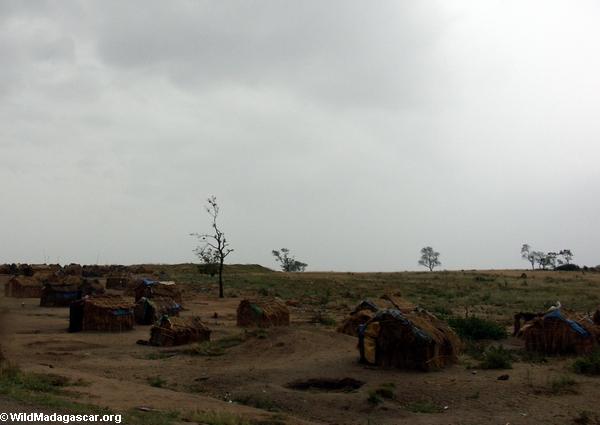 马达加斯加棚户区郊外. (Photo by R. Butler) 马达加斯加棚户区郊外. (Photo by R. Butler)
|
写 Rhett Butler. 翻译 Che Fei
07/12/2007
人口和贫穷
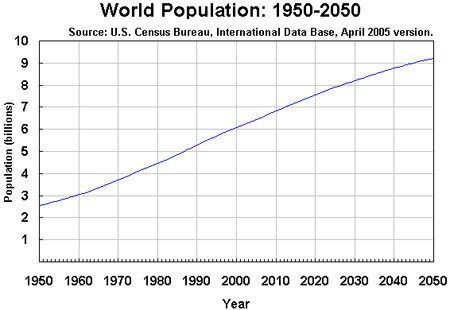
所有的森林砍伐行为背后的最终驱动力是人类的人口过剩; 这包括对热带雨林资源有需求依赖的温带地区的人口和热带地区的依靠开发雨林而生存的发展中国家的日益扩大的人口两部分.现今世界人口总数差不多接近6,510,000,000 (65.1亿)人了. 地球上每分钟的时间将会新出生145人,一天则有208,000人,一年76,000,000人.现在全球出生率已降到有历史记录以来的最低水平,它降到什么程度先不管它,美国人口普查小组表示截止到2026年全球人口将达80亿,2025年人口将逼近91亿,除非这期间爆发一次大范围的致命性瘟疫或者悲惨的环境灾难.有过99%的新的人口增长发生在今天的欠发达国家. 人口增长
世界人口增长率持续下降
一项新研究-将来热带森林砍伐速度将会减慢 无论一个人是否为Malthus 信徒,人口的增加都会给地球资源带来无穷的压力.最大的压力将来自有着快速的人口增加和最快经济增长的发展中国家.在1995年,发展中国家的经济增长达到接近6个百分点,相比之下,发达国家只有2%.印度和中国的快速的经济发展给将来资源消耗和环境可持续性的管理带来很大挑战.
不管发展中国家的经济增长,随着这些国家经济的不对等度不断加大,贫穷和饥饿覆盖面也持续扩大.尽管全世界的粮食供应不断增加,但世界上仍有六分之一的人没有足够的粮食来满足基本的日常生活需要.造成饥饿的原因有很多方面,这其中包括食物价格的不断增加而实际收入在下降以及获得食物储备的有限途径.FAO预测,到2010年发展中国家的粮食需求每年将会增加1.8个百分点.发展中国家,主要是非洲亚撒哈拉地区和拉丁美洲的国家必须拿出2.22亿英亩(9,000万公顷)的新土地用于农业,才能满足这种要求.因此,那不再是森林土地是否将会用于农业用地的问题了,而是用多少的问题了.
另外,随着发展中国家逐渐融进世界经济总体中来,它们对自己的天然资源的需求将会更大.因此污染和环境恶化将会在一个超过人口增长率的速度基础上不断的增强.例如,在20世纪80年代,热带地区发展中国家人口增长约19%,而森林砍伐面扩大了90%.针对木材、石油和矿物产品等森林资源的工业需求也在不断增加.在未来几年里,包括锯开的圆木、单板原木、制浆用木材及电线杆用圆材在内的木材产品的消耗随着供应需求的增加而增加.
有越来越多的乡下穷人开始靠雨林吃饭,把雨林当成他们的庇护场所,这种行为是一种对世界环境的最大威胁.富有大地主有能力购买土地或使用政治影响力来获得土地所有权,而有时这些贫穷百姓就会被这些占有肥沃土壤的大地主赶走.可以想象,这些贫穷百姓不得不砍伐森林寻求生存,由于疾病的增加、饮水条件的恶化、土壤侵蚀的加重以及由于没有可用的森林资源而不得不丢弃他们的孩子等种种残酷的现实,都使得他们的生活质量变得很差.随着人口的增长,人们面临各种生活重荷,这使得更多的林地被开发,从而引起更大的自然灾难、作物歉收及疾病等问题.
复习题:
- 人口的增加是怎样影响环境的?
- 发达国家人口增长率的下降怎样导致森林的砍伐及其他环境问题?
[英语]
续: 消耗, 结论
|
|
|
MONGABAY.COM
Mongabay.com 是一家专门提供自然环境新闻资讯的门户网站。
菜单
推动热带雨林减少的原因
就像在第七部分第一次描述时说的,热带雨林丰富的生态系统对这个星球的基本法则有着重要的作用.雨林是全球50%的生物物种的家园,所以它是一个巨大的生物图书馆和基因库.另外,雨林帮助维持着全球大气气候的规则变化、稳定的降雨、保护防止沙漠化,并且提供众多的其他生态功能.
对雨林的自然威胁
热带雨林自始至终都受到自然力量的影响,比如大火,干旱以及暴风雨等。 这些事件随机发生并破坏大面积雨林。然而,一般地,这些自然事件引起的破坏与人类活动引起的破坏有差异;例如雨林没有被彻底破坏以及维持部分生态系统功能。雨林通常能通过生态系统中有生命的残余而迅速再生。 仅仅几年内, 森林多样性就能恢复甚至超过动乱之前。有研究认为:这些周期性的事件是森林多样性的重要因素。科学家们相信,一些森林并不能达到完全生机勃勃的状态。 研究还发现森林的更新时间大约为65-135年
人类对雨林的威胁—受到威胁的雨林
如今造成热带雨林毁灭的主要原因是人类的活动,同自然的破坏不同,它是持续的而且非常彻底.尽管大多数的毁林是受国家和国际的经济影响,大多数的都没有长期的目的;只是由当地的物质生活条件决定的.由人类造成的许对雨林的破坏在我们生活的时间内都是不可恢复的.
人类对雨林的威胁;生活活动
热带森林砍伐有至少60%是由人们的生活活动引起的,他们仅仅为了生存而利用雨林的资源。对他们来说,既没有钱又没有政治权利去获得财产和土地,他们不断的迁移,不断的在森林路边安家,这样飘忽不定的生活就这样维持下去.砍掉用作建筑材料的树后,他们利用刀耕火种技术清理周围的森林而用于短期的农业.首先,林下叶层灌木被砍伐掉,林木也不用作建筑材料.这片地方干燥几个月,然后用火烧. 最后种上香蕉、棕榈、树薯、玉米和水稻.一两年后,土壤的生产力下降,他们不得不开辟新的林地,继续农业耕作. 一些老的、贫瘠的土地留下来乘放垃圾或者有时用于小规模的放牧.
危险的房地产—雨林的威胁
近几年随着经济的全球化,给全世界的国家都带来了深刻的变化.一般而言,政府对普通老百姓的权利和作用都有下降的趋势.在发展中国家,这种变化使森林资源非常危险,因为它们都习惯的被认为是国家财产.不管是选用市场经济还是计划经济,管理森林者都必须对国家森林负责.森林探险公司由这些政府机构来分配,他们通常管理国家森林土地的分配.
处于危险中的财富—受到威胁的雨林
石油的输出应该为全球的毁林,森林的恶化和陆地的破坏负责.石油的输出过程导致了有毒副产物排放到当地的河流,而毁坏的管道和泄露导致了石油长期的溢出.另外,为了到达偏远地区石油站修建的道路给大量的移民者和土地开发商提供了一条道路.
处于危险中的财富 - 受到威胁的雨林
伐木是造成雨林退化和被毁的主要的而且是最出名的因素.尽管伐木技术提高了而且国际间对雨林的认识和关注都加强了,但由犯罪集团进行的不可持续的热带雨林伐木仍然在继续.
受损害的财产—受到威胁的雨林
黄金、铜、宝石和其他贵重金属及经雕琢的宝石都是在世界各地雨林中发现的重要资源.
处于危险中的资源—受到威胁的雨林
由于选择性的砍伐,面积缩小以及农业活动造成了森林的恶化,导致了森林受火灾的损失程度增加了.科学家们担心亚马逊地区会有更多的区域出于火灾的威胁,在未来的几年,我们将看到类似的火灾,在最近几年的厄尔尼诺现象年对印度尼西亚造成的破坏.
人类对雨林的威胁;战争
战争可以是伪装的祝福也可以给雨林带来祸害, 这取决于围绕战争所发生事件的经过和战争爆发之前的形势.
雨林中农业的影响
用雨林的土地去种植农业证明是失败的,因为这些森林的酸性土壤营养不足.但是,仍然有许多的经济型农业项目热昂在在雨林土地上种植,这些土地在耗竭之后会转变成养牛牧场.在一些洪涝地区,如这些亚马逊较低的地方(várzea),是很适合种植经济农业的,因为每年的洪水都可以再次补充营养.
人类对雨林的威胁—养牛场
从1960年代到1990年代早期亚马逊平原的经济毁林并不是因为伐木或者开矿,而是一些养牛的农场主和土地投机者在烧掉了大片的雨林之后种植了非洲操以用作牧场.在巴西,政府统计得知在1966-1975年间有38%的森林被毁用作大片的养牛牧场.在中美洲的部分地方,养牛牧场更加普遍,比如哥斯达黎加,使拉丁美洲毁林比率最严重的国家.但1970到1980年间,投机者烧掉雨林把它转变成养牛场,来应对美国对牛肉的需求.
人类对雨林的威胁—窃取水力电气
由像世界银行等国际援助与发展组织投资的大型的水利电气工程,已导致了森林的普遍损失.
人类对雨林的威胁;薪材,道路,气候
FAO估计全世界有40%的人(26亿人)依靠薪材和木炭作为他们做饭、加热的主要能量来源.从1960年以来,薪材的消耗量增加了250%(人口仅增加了90%).
人类对雨林的威胁—债务
在1980年代,1990年代还有2000年代,债务导致一些热带地区的发展中国家商业毁林.由于缺乏现金,这些国家转向他们的自然资源,这成为支付债务和利息的最快捷最容易的方式.由于没有很快的现成资金的投入和技术工人,而且是不可再生的,这些森林资源如丰富的矿藏,木材,石油还有水电都被用于结算来提高所需的资金.
人口和贫穷对雨林的影响
所有的森林砍伐行为背后的最终驱动力是人类的人口过剩; 这包括对热带雨林资源有需求依赖的温带地区的人口和热带地区的依靠开发雨林而生存的发展中国家的日益扩大的人口两部分.现今世界人口总数差不多接近6,510,000,000 (65.1亿)人了.
人类对雨林的威胁—消费, 结论
被西方国家的消费误导是造成热带国家雨林被破坏的原因之一.举个例子,在1970-1980年代美国队便宜牛肉的需求触发了中美洲国家和巴西大范围的雨林清理行动.类似的,对特定雨林的产物如热带硬木和廉价的刨花板给公司开采森林储备带来动力.日本每年都将数千英亩的热带雨林转变成水泥块的木头框架(在水泥干了之后就被丢弃)和筷子.用于饲养欧洲牛的泰国木薯在1965年到1980年代中期增长了不止十倍,这导致了泰国东北部大量的森林被毁.
人类对雨林的威胁- 消耗, 结论
在较发达国家里,人们的被误导的消费观加快了热带国家的雨林破坏.例如,在20世纪70年代到80年代之间,由于美国对廉价牛肉的需求使得中美和巴西的广大雨林带被砍伐。同样地,由于对热带硬木、廉价碎料板等森林产品的需求,从而加快了企业开发森林资源的步伐.日本每年将有数千英亩的热带雨林被砍伐而得到用于水泥砖的取景木材和食用筷子.从1965年到80年代中期,在泰国作为欧洲牛饲料的木薯的耕种增加了10倍,这造成了泰国东北部森林的过度砍伐.
|
|
|
|